Which outdated technology do you miss the most, and why?
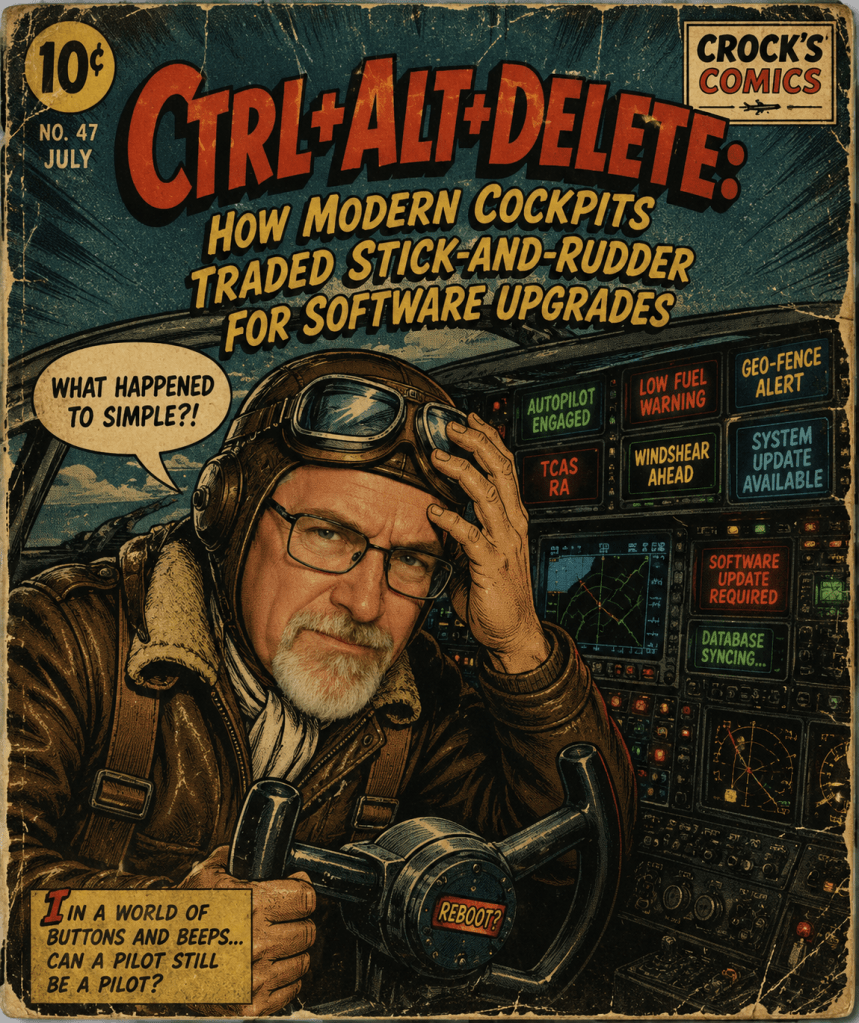
Sooo… don’t get me wrong, I’m not some technophobe who thinks we should go back to navigating by the stars and sheer guts. I mean, modern aviation tech has saved lives, and I’m glad for it. But somewhere along the line, our cockpits started looking more like a Best Buy home theater aisle. I deeply miss the classic, soul-satisfying “steam gauge” cockpit—and no, they weren’t powered by coal, they just used glorious, old-school analog systems. There was a beautiful, rhythmic flow to scanning physical instruments that actually danced and twitched with the airplane.
Now? Well… pilots stare into the glowing abyss of glass screens, half expecting a pop-up ad to interrupt their instrument scan asking if they want to renew their premium subscription to the sky.
Lately, it feels like we’re adding tech just for the sake of adding tech, which serves as nothing more than a major source of distraction. Just take a look at ROAAS (Runway Overrun Awareness and Alerting System). The regulatory gods now mandate this system for pretty much everywhere outside the U.S. and Canada, meaning anyone flying international has to have it installed. While I completely agree that runway overruns are a serious issue, do we really need another bell, whistle, and flashing neon sign screaming at pilots in the cockpit? It’s hard to stay focused on flying the actual airplane when the cockpit is busier than a teenager’s smartphone lock screen, bombarded by alerts that feel like they’re one update away from asking you to agree to a new terms and conditions policy.
I’m sure there’s some human factors researcher out there waiting to tell me I’m wrong about this, and maybe I am, but this is just my observation.
The worst part is that this relentless push for “more screens, less human” is clearly driven by the industry’s ultimate goal: replacing the First Officer with a microchip and going single-pilot.
We are rapidly trading stick-and-rudder skills for glorified IT managers who troubleshoot automation while the plane flies itself.
I know the new reality is less about aerodynamic finesse and more about making sure the airplane doesn’t experience a blue screen of death, and I accept this reality too, but I’ll always have a soft spot for the good old days. Call me old-fashioned, but there was nothing better than the pure, tactile joy of feeling the airplane through your fingertips instead of navigating a drop-down menu just to bank 15 degrees to the left.

